राम पथ यात्रा

राम पथ यात्रा

Ram Path Yatra · Kashi Anushtanam

A pilgrimage across Bhārata along the path walked by Shri Rāma, Sītā Mātā, Lakṣmaṇa and Hanumān. The journey begins in Kashi and returns to Ayodhya.

  • 45 days
  • 295 Paduka sthalas
  • 7 major tirthas
  • Begins in Kashi
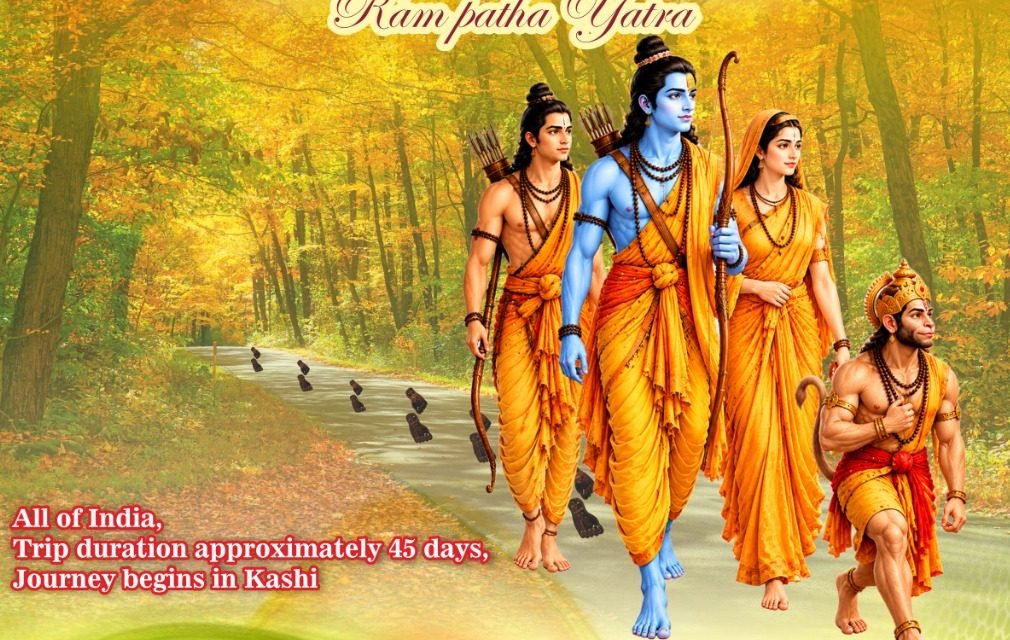
Shri Rama, Sita, Lakshmana and Hanuman walking along a forest path

श्रीरामपादुकाद्वन्द्वं धर्मराज्यप्रवर्तकम् ।
भारतेन पूजितं नित्यं भूः हृदयं च पावयत् ॥

The pair of Shri Rama's padukas, which established the reign of Dharma and were worshipped daily by Bharata, purify the land and the heart.
The route

From Kashi to Rameshwaram, and home to Ayodhya

Major stops of the journey. Padukas are installed at 295 locations along the way, and the Dashavaran Yantra is worshipped at every stop.

ॐ
KashiDeparture
1
AyodhyaJanmabhūmi
2
ChitrakootBharata Milāpa
3
DandakaranyaForest years
4
AmarkantakSource of Narmadā
5
NashikPañcavaṭī
6
KishkindhaHampi, meeting Hanumān
7
RameshwaramSetu, Śiva pūjā
✦
AyodhyaReturn & Pūrṇāhuti

Panchakroshi (five-krosha) parikramas are planned in key regions: Ayodhya, Chitrakoot, Nashik, Hampi and Rameshwaram.

Vehicle route & day plan

45 days: a 4-day initial puja at Ayodhya and a 41-day yatra

A draft road plan for all 295 Paduka sites: the 249 sthalas on the chart plus 46 local sites in Ayodhya, Chitrakoot and Nashik. After a 4-day initial puja at Ayodhya, the yatra goes south through Chitrakoot, Amarkantak, Dandakaranya, Bhadrachalam, Nashik and Kishkindha to Rameshwaram, then back to Ayodhya for the Purnahuti. Long transfers are driven overnight after the evening programme, so the group sleeps on board on those nights. Tap a day to see it on the map.

4 + 41puja days + yatra days
10night journeys
~12,160km by road (approx.)
295Paduka sites (249 + 46 local)
~230km per day on average
Yatra days Night journey Return drive Selected day
Straight lines between halts; the roads differ. Use each day's Google Maps link for the actual route.

    Vehicle cost estimate

    Example rate. Enter your operator's quote.

    ₹9,12,000 for the whole Yatra, before driver allowance, tolls, parking and permits

    Daily rhythm (suggested)

    • 5:00 Snana, sandhya, Paduka japa
    • 7:00 Depart; sthapana and Yantra puja at each sthala
    • 13:00 Prasad and rest on the way
    • 18:30 Reach the halt; bhajan, satsang, Ram Naam diksha

    Night journeys need two drivers per vehicle taking turns, a rest stop every 3 hours, and an arrival time that leaves the team a few hours' sleep before the morning puja. Keep the padukas, yantra and puja materials in one dedicated vehicle.

    Van-gaman sthalas

    Places on Shri Rama's 14-year vanvas path

    249 sthalas in 9 states, in the order of the vanvas yatra from Ayodhya to Rameshwaram and back. With 46 more local sites in Ayodhya, Chitrakoot and Nashik, padukas are installed at 295 sites in all. Search in Hindi or English: a sthala, village, river or district.

    Source: Van-gaman map of Shri Ram Sanskritik Shodh Sansthan Nyas. Names are transcribed from photographs of the chart.

    Three sankalpas of the Yatra

    What the Yatra carries to every village

    Ram Paduka 295 स्थापनाएँ

    Shri Rama-Paduka Sthapana

    In the Adi (Bhushundi) Ramayana the padukas are Rama himself in another form: श्रीरामपादुकारूपं सच्चिदानन्दमद्वयम् (57.11). For fourteen years they ruled Ayodhya from the throne. Where they are pleased, calamities, fear and disease turn away at once (50.13). Installing them brings Rama's presence into a village.

    Read the Paduka-rajya episodes
    Shri Ram Dashavaran Yantra प्रत्येक पड़ाव पर पूजन

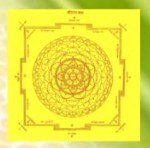
    Shri Ram Dashavaran Yantra

    The central shatkona joins Purusha and Prakriti. Its ten avaranas each hold one virtue of Shri Rama, and the yantra serves as a shield for Dharma and a tool for awakening Ram-chaitanya.

    • Dharma
    • Satya
    • Shanti
    • Dhairya
    • Kutumba
    • Lakshya
    • Bhakti
    • Ojas
    • Jnana
    • Atma-bodha
    Ram Naam Bank booklet राम नाम बैंक

    Shri Ram Naam Bank

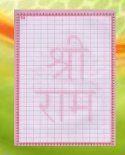
    The Kali-santarana Upanishad teaches that in Kali Yuga remembrance of the Divine Name is itself the path to moksha. Ram Naam Pustikas are distributed at every location, and the filled notebooks are collected for the Ram Naam Bank in Ayodhya. The Name asks no caste, status or qualification.

    Ram Naam DikshaInitiation into the Ram Naam
    Bhajan & SatsangDevotional singing and discourses at each halt
    AnnadanamFood offering in Ayodhya after the Purnahuti
    Naam Pustika collectionWritten notebooks deposited in Ayodhya
    Paduka-rajya · Adi Ramayana, Dakshina Khanda

    When the padukas ruled Ayodhya

    For fourteen years Shri Rama's padukas sat on the throne while Bharata served them from Nandigram. Brahma narrates these episodes to Bhushundi in chapters 44–58 of the Adi Ramayana (Bhushundi Ramayana).

    1. Ch. 44–45

      Bharata carries the padukas home

      Rama will not return before fourteen years, so Vasishtha asks for his padukas. Bharata places them on his head and tells Bharadvaja that they, not he, will rule.

      करिष्येते महीराज्यं ते एव मम मूर्धगे ॥ 45.27

      On the route: Chitrakoot (30), Triveni Sangam (17), Bharadvaja Ashram (18)

    2. Ch. 46

      Nandigram

      Unable to live in the empty palace, Bharata settles in Nandigram and devotes himself to worshipping the padukas.

      तत्राहं निवसन्नार्यपादुकार्चनतत्परः । 46.7

      On the route: Nandigram (236–238)

    3. Ch. 48

      The floods stop

      Ceaseless rain floods the land. The elders recognise the padukas as Rama himself and praise them, and the rain subsides.

      श्रीरामपादुकायुग्मप्रभावाद्धरणीतले । उद्वेगदा मनुष्याणामतिवृष्टिरशाम्यत ॥ 48.52

    4. Ch. 49–50

      The drought ends

      In a famine the people come to Bharata. He answers that he is not the king: the padukas rule. The munis praise them, a voice from the padukas reassures the people, and rain returns.

      ते एव राज्यं कुरुतः प्रभौ तस्मिन् वनं गते ॥ 49.30

      ईतयो भीतयः सर्वा व्याधयः परमाधयः । सद्य एव निवर्तन्ते प्रसन्ने पादुकाद्वये ॥ 50.13

    5. Ch. 51–52

      Vasishtha's stava turns back an invasion

      Invaders overrun northern Kosala. Vasishtha meditates on the padukas and praises them. Divine weapons rout the army, and arrows marked with Rama's name are found on the field. The text says reciting this stava at dawn removes fear of enemies and illness.

      आधयो व्याधयस्तस्य न भवन्ति कदाचन ॥ 52.33

    6. Ch. 53–54

      Ayodhya protected

      Shatrughna finds the cow-thieves already bound by four-armed attendants of Vishnu. Later Bana and Ravana try to lift the padukas from their seat and cannot move them. The padukas rule the whole earth under one umbrella, and dharma prevails.

      एवं ते भरताराध्ये श्रीरामपदपादुके । चक्राते परमं राज्यमेकच्छत्रं तदा भुवः ॥ 54.13

    7. Ch. 55–57

      Sanatkumara teaches the mantra

      Sanatkumara visits Nandigram and teaches Bharata the Paduka mantra, its kavacha and the paduka-tattva: offer every action to Rama's padukas.

      ज्ञानभक्तिमयी त्वेका प्रेमभक्तिमयी परा । पादुका रामचन्द्रस्य सिद्धिदा सेवतां नृणाम् ॥ 55.14

    8. Ch. 58

      Bharata's stotra

      Bharata praises the padukas and offers pushpanjali daily. Anyone who worships them and offers mantra-pushpanjali attains every aim.

      कामदा शुद्धिदा नृणां बुद्धिदा भूरिभुक्तिदा । मुक्तिदा सर्वकल्याणदायिनी रामपादुका ॥ 58.21

    Paduka Mantra Japa Seva

    पादुका मंत्र जप सेवा

    Japa volunteers take a sankalpa to chant the Paduka mantra for the Yatra. Their combined japa is offered at the sthapanas and at the Purnahuti in Ayodhya. Together they can complete the purascharana of 10,00,000 japa that the text prescribes (55.36).

    Japa sadhakaChant a fixed number of malas daily, from home
    Sthapana japaJoin group japa when padukas are installed near you
    Japa coordinatorLead a local group and send its count to the team
    Online japaChant together with the group at fixed times
    Paduka mantra Full mantra · Adi Ramayana 55.22–26

    ॐ ऐं ह्रीं श्रीं ह्स्ख्फ्रें हसक्षमलवरयूं
    ॐ ऐं ह्रीं श्रीं स्ह्ख्फ्रें सहक्षमलवरयीं
    रां रामचन्द्रसहजानन्दिनी रामचन्द्रसहजानन्दिनी
    श्रीपादुकां पूजयामि नमः

    Short form · Varanasi puja-vidhi

    रां रामचन्द्रसहजानन्दिनी रामचन्द्रसहजानन्दिनी श्रीपादुकां पूजयामि नमः

    Rāmacandra-saha is Bharata, born with Rama, and sahajānandinī is she who gives him bliss: the padukas. Chant at least 108 times before the puja. The vidhi asks that the full mantra be chanted with the guru's permission.

    Mantra diksha online from Ayodhya. Diksha will be given online from Ayodhya to everyone who is interested. Choose “Yes, online from Ayodhya” in the japa volunteer form and the team will send you the date and joining details on WhatsApp.

    How chapter 55 encodes the full mantra

    प्रणवो वाग्भवं माया कमला व्योम चन्द्रमाः । चण्डीशश्च शिखीशश्च वह्निझिंटीशबिन्दुभाक् ॥ 55.22

    Pranava ॐ, vagbhava ऐं, maya ह्रीं, kamala श्रीं, then the first kuta ह्स्ख्फ्रें.

    अयमेकः सुमन्त्रज्ञैः कूटमन्त्र उदाहृतः । व्योमशीतांसुवर्गान्त्यमहाकालीशभूसुधा ॥ 55.23
    वह्निः समीरणोऽर्धीशबिन्दुयुक्तो द्वितीयकः । कूटमन्त्रः समाख्यातः सकलागमवेदिभिः ॥ 55.24

    The second kuta is हसक्षमलवरयूं.

    प्रथमः पुनराकाशचन्द्रव्यत्यासतो भवेत् । द्वितीयः पुनरूकारस्थाने ईकारयुग्भवेत् ॥ 55.25

    The four bijas and both kutas are then repeated: the first with ha and sa swapped (स्ह्ख्फ्रें), the second with ई in place of ऊ (सहक्षमलवरयीं).

    रां रामचन्द्रसहजानन्दिनीयुग्मपूर्वकम् । श्रीपादुकां पूजयामि नम इत्यन्ततो वदेत् ॥ 55.26

    It ends with रां, रामचन्द्रसहजानन्दिनी said twice, and श्रीपादुकां पूजयामि नमः. Text as given by Ramesh Kutticad and the Varanasi vidhi; please confirm the bijas with your guru before printing.
    Viniyoga, nyasa and dhyana Adi Ramayana 55.27–32

    Viniyoga

    अस्य श्रीरामपादुकामन्त्रस्य नारायण ऋषिः । अनुष्टुप् छन्दः । श्रीपादुकाख्यपरमात्मा देवता । हंसः बीजम् । सोऽहं शक्तिः । ऐं कीलकम् । चतुर्विधपुरुषार्थसिद्ध्यर्थे जपे विनियोगः ॥

    Take water mixed with sandal, a flower and a tulasi leaf in the right hand while saying this.

    Kara and anga nyasa

    हंसांअङ्गुष्ठाभ्यां नमःहृदयाय नमः हंसींतर्जनीभ्यां नमःशिरसे स्वाहा हंसूंमध्यमाभ्यां नमःशिखायै वषट् हंसैंअनामिकाभ्यां नमःकवचाय हुम् हंसौंकनिष्ठिकाभ्यां नमःनेत्रत्रयाय वौषट् हंसःकरतलकरपृष्ठाभ्यां नमःअस्त्राय फट्

    The six limbs use the syllables हंस with the six long vowels (55.30). Then: भूर्भुवस्स्वरोम् इति दिग्बन्धः ।

    Dhyana

    मुक्ताविद्रुमहेमहीरघटितश्रीपीठराजोत्तमे
    दीव्यन्त्यौ विलसन्निसर्गपरमानन्दप्रकाशाद्भुते ।
    विस्फूर्जत्तरुणार्ककोटिकिरणव्याकीर्णशुद्धाम्बरे
    सच्चिद्रूपघने घनाघतिमिरस्तोमैकनाशोद्भटे ॥
    भक्तानां शिरसि प्रकाशपटलीफुल्लत्सहस्रच्छदे
    पद्मेऽखण्डलचन्द्रमण्डलगतश्रीहंसपीठोत्तमे ।
    तिष्ठन्त्यौ निजपूर्णधामनि सदा कल्याणदिव्यास्पदे
    मायामोहमदान्धकारशमने सेव्ये विभोः पादुके ॥

    The padukas shine on a jewelled throne of pearl, coral, gold and diamond, radiant as countless rising suns, destroying the dense darkness of sin. They rest in the thousand-petalled lotus on the devotee's head, on the swan-seat within the full moon, and dispel the darkness of maya, delusion and pride.

    Japa niyama and purascharana 55.33–38
    • Daily: after the dhyana, chant 1,008 japa (ashtottara-sahasra) and worship the padukas with sandal, flowers and offerings, made physically or in the mind.
    • Inner worship: contemplate the padukas constantly in the thousand-petalled lotus on one's own head.
    • Purascharana: at a pure tirtha, eating pure food and speaking little, chant 10,00,000 japa.
    • Completion: perform homa with one tenth of the japa, using blue lotuses mixed with the three sweets, followed by tarpana, marjana and brahmana-bhojana.
    • Samarpana: offer whatever is done to Shri Rama's padukas, with the thought that it is all for Rama.

    दशलक्षं जपित्वा तु दशांशं हवनं चरेत् । नीलोत्पलैस्त्रिमधुरोन्मिश्रैर्मन्त्रस्य सिद्धये ॥ 55.36

    श्रीरामपादुकास्तोत्रम् · Bharata's stotra Ch. 58, 15 verses
    श्रीरामपादुकाकवचम् · Paduka kavacha Ch. 56, 34 verses

    Taught by Sanatkumara to Bharata. Recite at the three sandhyas. Rishi Narayana, chhandas Virat, devata the Paduka; viniyoga for dharma, artha, kama and moksha (56.4–5).

    श्रीरामचन्द्रपादुकार्चनम् · Namavali 127 names

    Recite after the dhyana, with the mantra, offering a flower or akshata at each name. Compiled by Ramesh Kutticad.

      Appeal for support

      Offer seva as per your capacity

      By contributing to the Ram Path Yatra you share in the punya of the entire pilgrimage. Choose any of the six ways below.

      रामचन्द्रस्य यज्ञेषु दानं यत् क्रियते नरैः ।
      तेन सर्वमवाप्नोति यद् दानेनोदितं शुभम् ॥

      Agni Purana, Ram-Mahatmya. Whatever one gives in yajna, puja and parayana for Ramachandra brings every auspicious fruit of giving.

      Shri Ram Paduka

      Contribute towards the padukas being installed at 295 locations along the route.

      Paduka Sthapana Pujan Yajaman

      Become the yajaman of a sthapana by providing the materials for installation and worship.

      Dashavaran Yantra Pujan

      Sponsor the puja materials for the Yantra worship at any stop of the journey.

      Shri Ram Naam Pustika

      Support the printing and distribution of Ram Naam booklets at the 295 locations.

      Annadanam

      Offer food to devotees in Ayodhya after the concluding Purnahuti.

      Travel & Transport

      Help meet the travel costs of reaching all 295 locations.

      Join the Yatra

      Registration & Donor forms

      Fill in the form and send it. The Kashi Anushtanam team will contact you to confirm the details.

      Devotee Registration

      Register to walk with the Yatra, host a Paduka sthapana in your village, or receive a Ram Naam Pustika.

      I want to *
      Optional. Used when taking sankalpa at the pujas.
      Stops you wish to join
      Questions? WhatsApp or call Kashi Anushtanam: +91 92770 15099
      Ram Naam Jap

      Write the Name with your heart

      Tap the button each time you chant श्री राम. One mala is 108. Your count stays on this device.

      0Naam today
      0Malas
      0All time